
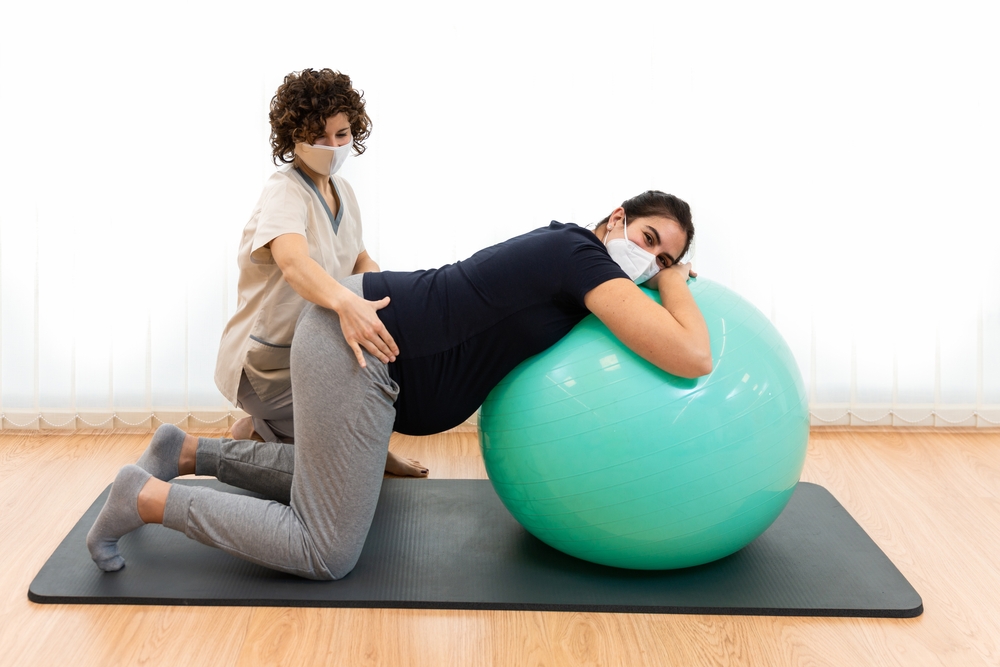
Bringing a new baby into the world is a significant physical and emotional experience. While much attention is often given to pregnancy and childbirth, postpartum recovery is equally important. One area that deserves special attention is pelvic health.
Many women experience changes in their pelvic floor muscles during pregnancy and delivery. Pelvic floor physiotherapy can play an important role in recovery, helping new mothers restore strength, improve function, and return to daily activities with greater confidence. For those seeking Oshawa physiotherapy services, pelvic floor physiotherapy may be a valuable part of postpartum care.
How Pregnancy and Childbirth Affect the Pelvic Floor
Throughout pregnancy, the body undergoes numerous changes. Hormonal shifts, weight gain, and the growing baby can increase pressure on the pelvic floor muscles. Following delivery, some women may experience:
- Pelvic floor weakness
- Bladder control concerns
- Pelvic discomfort
- Core instability
- Feelings of heaviness in the pelvic region
Every postpartum recovery journey is different. Some symptoms may appear immediately after childbirth, while others may develop months later.
What Is Pelvic Floor Physiotherapy?
Pelvic floor physiotherapy focuses on assessing and treating conditions related to the pelvic floor muscles and surrounding pelvic region. It is commonly used to address pain, dysfunction, weakness, and issues related to bladder and pelvic health.
Treatment plans are personalized and may include:
- Education about pelvic health
- Breathing and relaxation techniques
- Pelvic floor muscle training
- Core strengthening exercises
- Movement and posture guidance
The goal is to help restore function while supporting long-term health and recovery.
Benefits of Pelvic Floor Physiotherapy for New Mothers
Improved Bladder Control
Some women experience urinary leakage after pregnancy or childbirth. Pelvic floor physiotherapy is often considered a first-line treatment for pelvic floor dysfunction and incontinence-related concerns.
A physiotherapist can assess how the muscles are functioning and provide exercises tailored to individual needs.
Better Core Stability
The pelvic floor works closely with the abdominal and back muscles to support movement and stability.
Strengthening these muscle groups can help new mothers feel more comfortable during activities such as lifting, carrying, walking, and returning to exercise.
Support for Postpartum Recovery
Recovery looks different for every individual. Pelvic floor physiotherapy can help women understand their bodies after childbirth and safely progress toward their personal recovery goals.
When Should New Mothers Consider Pelvic Floor Physiotherapy?
Many women can benefit from an assessment even if they are not experiencing obvious symptoms. It may be worth discussing pelvic floor physiotherapy if you:
- Experience bladder leakage
- Notice pelvic discomfort
- Feel pressure or heaviness in the pelvic area
- Have concerns about returning to exercise
- Want guidance on postpartum recovery
Choosing the Right Support for Your Recovery
Postpartum recovery involves more than simply waiting for the body to heal. Proper guidance and individualized care can help address concerns and support a smoother transition into motherhood.
At Pro Health Oshawa Physio, pelvic floor physiotherapy is available as part of the clinic’s comprehensive rehabilitation services. Their team provides personalized treatment plans designed to address pelvic floor conditions and help patients improve function and overall well-being.
Improving Your Long-Term Health
The weeks and months following childbirth are an important time to focus on recovery and self-care. Pelvic floor physiotherapy offers new mothers an opportunity to better understand their bodies, address common postpartum concerns, and build a strong foundation for long-term health.
If you are looking for Oshawa physiotherapy services after pregnancy, pelvic floor physiotherapy may be an important step toward restoring strength, confidence, and function as you move forward in your postpartum journey.